

Psychedelic Plant Insight: An Introduction To Our Blog
Welcome to Psychedelic Plant Insight! Our blog dives deep into the world of magic mushrooms, entheogens, and plant medicine – exploring their potential to improve mental health and well-being. This isn’t your average guide to medicinal plants. Here, you’ll find everything from research on active ingredients like psilocybin, to insights on microdosing, psychedelic therapy, and the role these powerful plants are playing in today’s global mental health movement. If you’re curious, cautious, or maybe just skeptical, we’re here to offer reliable information to help you see beyond stereotypes and gain a fresh perspective on psychedelics.
Why Psychedelics? A New Way to Tackle Mental Health
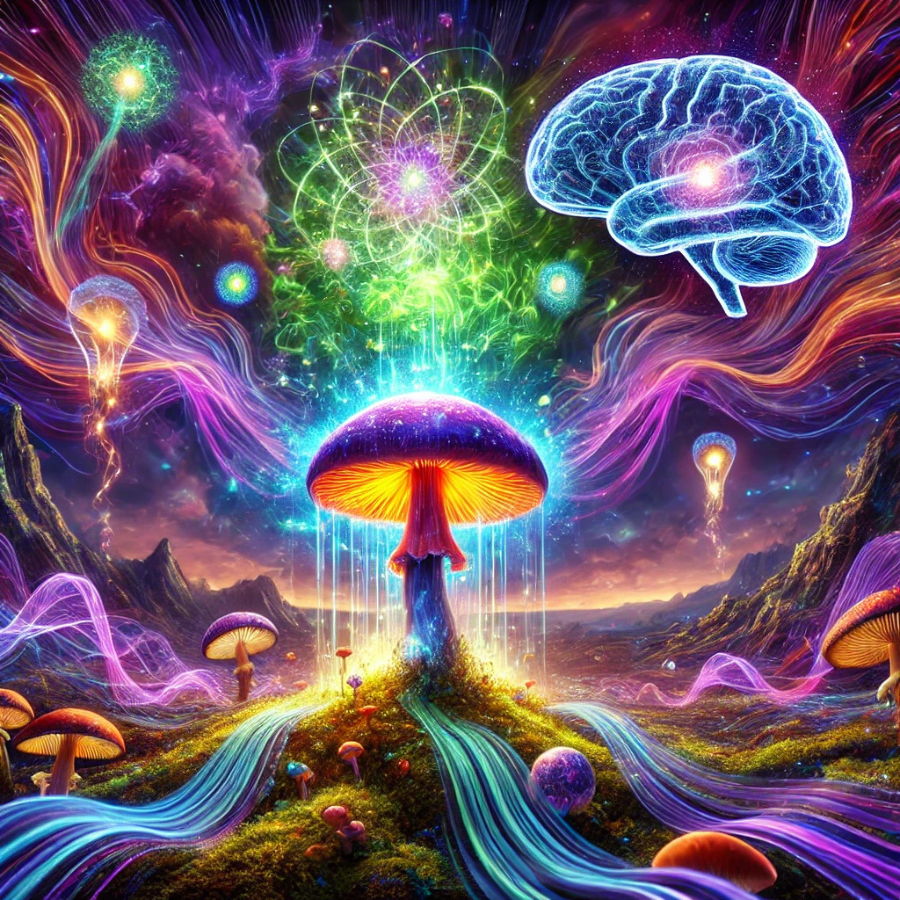
Psychedelics like psilocybin – the active ingredient in magic mushrooms – have caught the public’s attention in recent years, especially in places like Canada, California, Colorado, and Oregon. Growing research suggests that psilocybin can help with conditions such as anxiety, depression, and substance abuse. Through various clinical trials and psychedelic therapy sessions, mental health professionals have seen encouraging results. In fact, psilocybin is even showing potential to boost cognitive function and positively affect mood by promoting neuroplasticity in the brain – a process that helps with emotional resilience and flexibility in thinking.
But how did this all start? Many of these ideas about the power of psychedelics were born in the counterculture of the 1960s, where interest in these substances boomed. Over the decades, governments enacted prohibitive laws like the Controlled Drugs and Substances Act in Canada and the Controlled Substances Act in the United States. This War on Drugs era fueled stigma around psychedelics, lumping them into the same category as narcotics and other controlled substances. Now, attitudes are shifting again, leading to discussions about decriminalization and drug policy reform. Places like Alberta and Ontario are seeing more people question the criminalization of plant medicines, while Vancouver activist Dana Larsen is pushing for broader decriminalization efforts in Canada.
What Are the Benefits of Psychedelics?
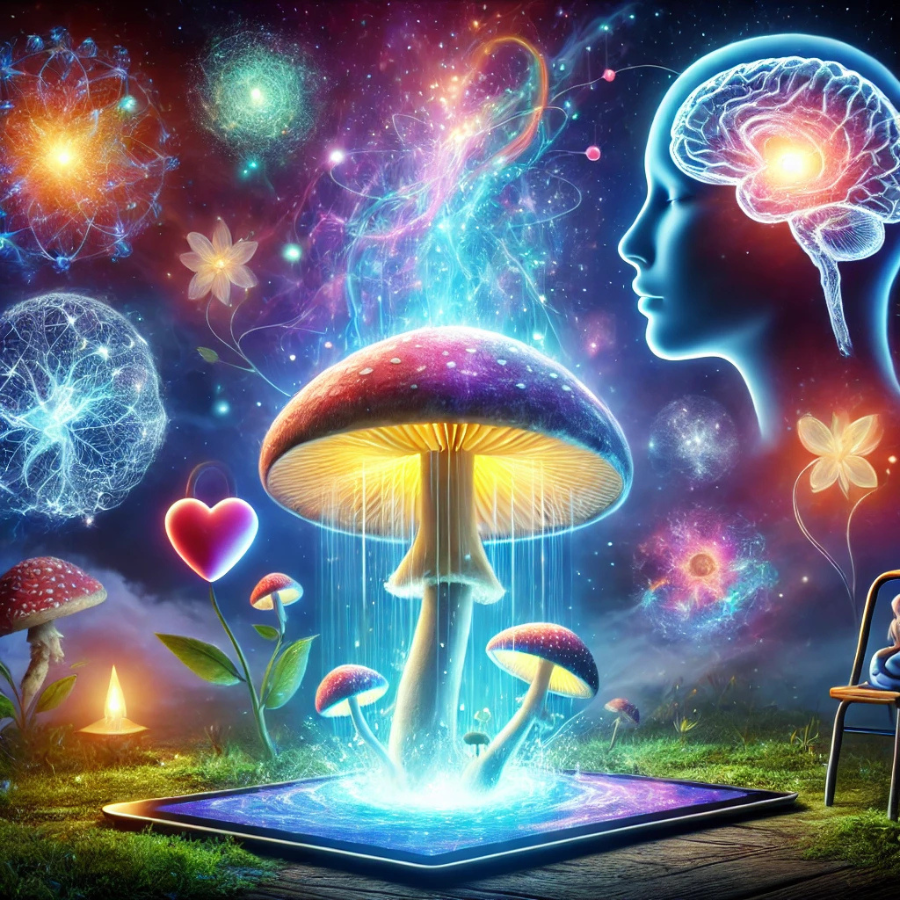
Psychedelics, particularly psilocybin mushrooms, are being explored as alternatives to conventional medications like antidepressants and anti-anxiety drugs. Evidence shows they can help reduce fear responses, improve mood, and even alter perceptions in a way that allows patients to confront their issues more openly. Unlike conventional medications that might require daily doses, psychedelic therapy is designed around sessions that promote long-lasting changes in mood, cognition, and mental health. For people struggling with anxiety, stress, or even substance abuse, psychedelics might offer a more profound way to address the root causes of their struggles.
A big part of the appeal is that psychedelic-assisted therapy works with natural substances. Many see psychedelics as an alternative to pharmaceuticals, focusing on plant-based remedies instead of relying solely on manufactured medications. When used in controlled environments and under professional guidance, psychedelics like psilocybin can potentially offer a safe and effective option. Harm reduction strategies help mitigate risks, especially regarding issues like the “bad trip,” which some might experience without proper preparation.
Legal Landscape and Accessibility
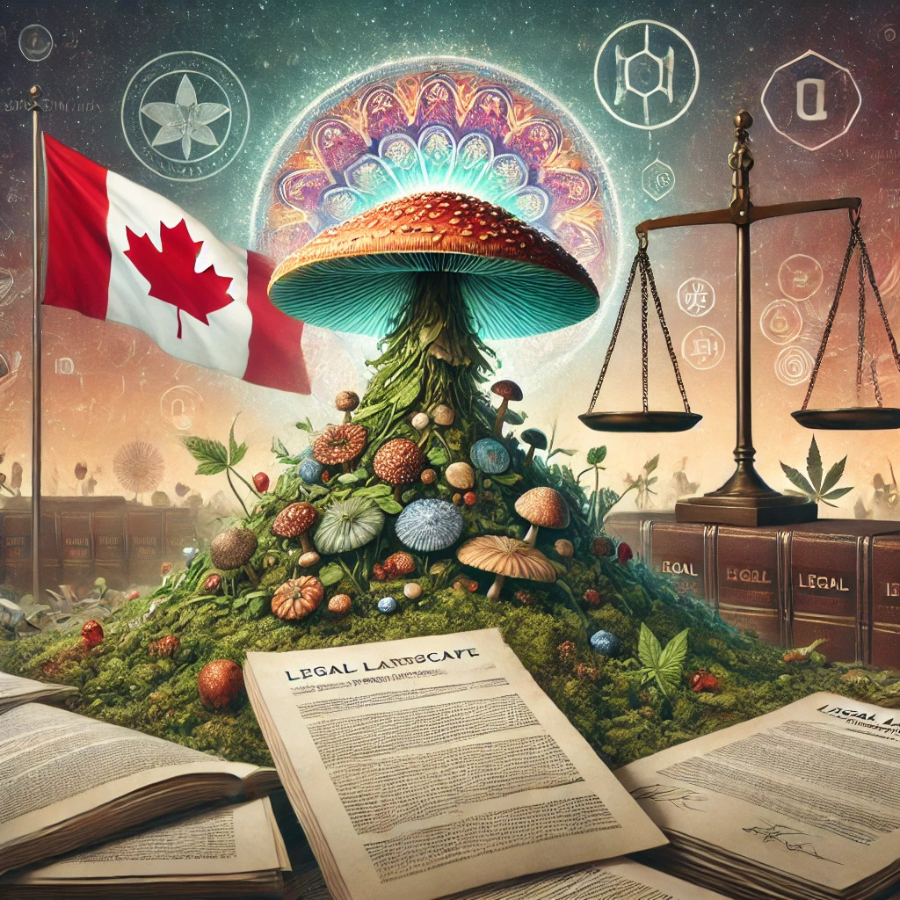
In Canada, psilocybin mushrooms are still considered illegal under the Criminal Code, but recent developments are opening new doors. Health Canada’s Special Access Program now allows certain patients to receive psychedelic therapy for treatment-resistant conditions under specific regulations. Similarly, in the United States, states like Oregon and Colorado are exploring ways to regulate these substances, allowing legal avenues for therapy and clinical research.
In Canada, Toronto and Vancouver have emerged as hubs for psychedelic research and access to psilocybin products. While dispensaries and delivery services are not yet legally permitted to offer magic mushrooms openly, many advocates and shops are pushing for reforms. Additionally, places like Edmonton and Alberta are joining the conversation, raising questions about how psychedelics can be responsibly integrated into society.
Is Psychedelic Therapy Safe?

Psychedelic therapy isn’t about taking mushrooms for fun – it’s about finding a controlled, therapeutic way to use these substances to aid mental health. For patients and health professionals alike, the journey involves careful planning, sometimes with the guidance of experienced facilitators or therapists. In Canada, Health Canada oversees regulations around psychedelic therapy, ensuring that any research, trials, or treatment options adhere to strict safety protocols. For example, professionals monitor dosing carefully to ensure that patients receive the right amount for therapeutic effects without causing overwhelming experiences.
But as more studies uncover the therapeutic benefits of psychedelics, the stigma surrounding these substances is gradually lifting. Drug liberalization and the decriminalization movement have led to more nuanced views, where psychedelics are recognized as entheogens – substances used for spiritual and healing purposes. And the good news is that more people are becoming interested in these potential benefits, driving a push for decriminalization and the exploration of safe, responsible psychedelic practices.
What’s Next for Psychedelic Plant Insight?

Our mission at Psychedelic Plant Insight is to be your go-to source for credible, engaging information about psychedelics. Whether you’re interested in microdosing, learning more about the health benefits of psilocybin mushrooms, or understanding the changing landscape of drug policy in places like Toronto, we’re here to provide the insights you need. So, grab a tea, get comfortable, and join us as we explore the fascinating world of psychedelia, mental health, and the power of plant medicine.